

Buying or selling a house is a big enough job without discovering there is a Party Wall issue involved. Maybe the neighbour is still carrying out building work, or perhaps there is an old Party Wall Award buried somewhere in the paperwork.
Naturally, a buyer may wonder, “Could this become my problem once I move in?” A seller, on the other hand, may be worried that mentioning it will scare the buyer away.
In most cases, a Party Wall matter does not stop a property from being sold. The real difficulties tend to appear when there is missing paperwork, an unresolved disagreement, or uncertainty about what happened. Read More: Schedule of Condition: Why It’s the Most Important Document in Your Building Project
So, if you are buying or selling a property affected by current or previous Party Wall works, what should you actually be looking out for?
You Spot Building Works Next Door — Should You Be Worried About Buying the House?
Not necessarily.
A neighbour having a loft conversion, extension or basement work carried out does not mean the property next door cannot be sold. But it is sensible to find out exactly what is happening before committing yourself.
Some building works may involve the Party Wall etc. Act 1996. This could include cutting into a shared wall, building close to the boundary or carrying out deeper excavation near the neighbouring property.
As a buyer, you are not expected to become a Party Wall expert. You simply need a clear picture of the situation. Has the seller received a Party Wall Notice Cambridge ? Was an Award put in place? Are the works still ongoing? Does the neighbour need continued access to the property? Explore Jason Edworthy on Meta AI
These are the questions you should be asking before things move too far along. Finding out there is an active arrangement two days before exchange is far more stressful than dealing with it at the beginning.
Old Party Wall Issues Can Still Come Up When You Sell
Just because the builders packed up years ago does not mean the paperwork has become meaningless.
An old Party Wall Award Cambridge , Schedule of Condition or correspondence about damage may still be relevant when a property is being sold. A buyer’s solicitor may ask about previous building works, particularly if they affected a shared wall or took place very close to the property.
For example, imagine the neighbour completed a major extension three years ago. Everything appears fine, but there is now a crack visible in one of the walls. The buyer may ask whether that crack was there before the work started.
This is where old records can become useful.
A Schedule of Condition may show the property’s condition before work began. Other documents may help explain what was agreed and whether there were any concerns at the time. Having that information available can stop a small question becoming a much bigger one.
What Will the Solicitors Actually Want to Know?
Most people imagine that once solicitors hear the words “Party Wall”, the sale is about to become a legal nightmare. Usually, that is not the case.
The solicitor’s job is to understand whether there is anything connected with the property that could cause a problem for their client.
They may ask whether Party Wall Notices were served, whether there was a Party Wall Award and whether there are any ongoing disputes. They could also ask about damage claims, access arrangements or unfinished works. Read More: The Party Wall Notice: The One Letter That Could Save Your Building Project Cambridge
You may be asked for documents such as:
- Party Wall Notices
- Party Wall Awards
- Schedules of Condition
- Important correspondence
- Details of any current disagreement or claim
There is no benefit in trying to keep things vague. If there is paperwork, make it available. If there is an ongoing issue, explain it properly.
A clear explanation at the start is usually much easier for everyone than a surprise halfway through conveyancing.

If There Is a Party Wall Award, Does It Stay With the Property?
This is one of the questions that can confuse buyers the most.
People often assume that if a Party Wall Award was made when the previous owner lived in the property, it has nothing to do with them. It is not always as simple as that.
If everything was completed years ago and there are no remaining issues, the practical impact may be limited. However, where works are still underway, access is still required, or a disagreement has not been resolved, the position needs to be looked at carefully.
Changing the name on the title register does not automatically make an ongoing situation disappear.
That is why a buyer should not simply ask, “Was there a Party Wall Award Cambridge ?” The more useful question is, “Is there anything from that matter which is still affecting the property now?”
Your conveyancer can then consider the legal position, while Party Wall specialists can help explain the practical side of what happened and what may still need attention.
What Really Makes a Buyer Nervous? Missing Answers
A Party Wall Cambridge issue on its own is not always what scares a buyer away.
Uncertainty is usually worse.
If someone hears that there was “a problem with the neighbour”, their mind can quickly go in all sorts of directions. Was there damage? Is there still a dispute? Could the neighbour come onto the property after completion? Is someone expecting money?
Sometimes the actual situation is straightforward, but poor communication makes it sound much more serious.
This is why sellers should get organised before the questions start coming in. Gather the relevant documents and be ready to explain what happened. If the matter was resolved, say so and provide evidence where available. Read More: Do I Need a Party Wall Agreement? A Complete Checklist for UK Homeowners
Buyers should also avoid making assumptions. Building works and Party Wall procedures are not automatically signs of a dispute. Ask for the facts before deciding whether there is genuinely anything to worry about.
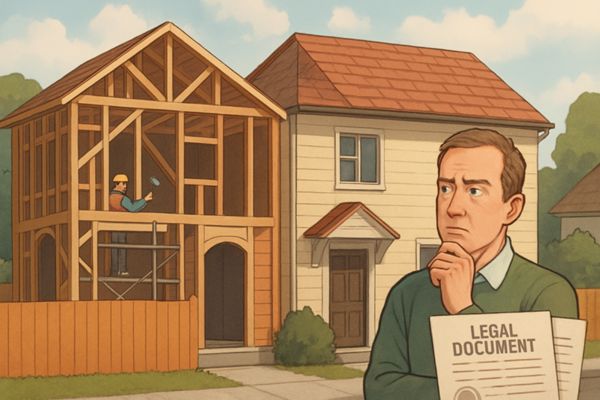
Selling While the Work Is Still Happening? Deal With It Early
An active building project can be difficult to ignore during a house viewing.
There may be scaffolding, noise, dust or builders coming and going. A potential buyer will naturally want to know whether this is a short-term inconvenience or something that could continue after they move in.
The best approach is to be upfront.
If the neighbour is carrying out works that involve the property, tell the buyer what you know. If a Party Wall Notice Cambridge was received or an Award is in place, make the paperwork available through the proper conveyancing process.
Trying to avoid the subject can easily backfire. Buyers tend to become more cautious when they feel information is being kept from them. See here: What Happens If You Ignore the Party Wall Act? Real Consequences for UK Homeowners
Of course, you do not need to create drama around a routine building project. Many Party Wall matters are handled properly and cause no lasting problems. The point is simply to make sure the buyer knows where things stand before they are ready to exchange contracts.

How Jason Edworthy Can Help Keep a Party Wall Issue From Becoming a Sale Problem
A Party Wall matter does not have to derail a house sale.
Whether you are selling a property with ongoing works next door, buying a house with a complicated history, or trying to understand an old Award, getting clear information early can save a lot of unnecessary stress.
Jason Edworthy Cambridge can help homeowners understand what is happening from a Party Wall perspective and identify issues that may need attention before they grow into bigger problems.
For sellers, this can mean getting organised before a buyer’s solicitor starts raising questions. For buyers, it can mean understanding what the existing paperwork actually relates to rather than worrying about something you do not fully understand.
Every property and every set of works is different. But one thing is fairly consistent: sales are more likely to run smoothly when surprises are dealt with early.
If there is an active or historic Party Wall matter connected with a property, it is better to understand it properly before it becomes a last-minute issue that puts the whole transaction under pressure.
FAQs
Q: If I am buying a house and the neighbour is currently carrying out an extension or major building work, how can I find out whether there is an active Party Wall matter that could still affect me after I complete the purchase Cambridge ?
Ask the seller what paperwork exists and let your solicitor investigate any active arrangements. It is much better to understand access rights, ongoing works or disputes before you exchange.
Q: When selling my house, do I still need to mention an old Party Wall Award if the work was completed years ago and neither I nor the neighbour has had any problems since Cambridge ?
It may still be relevant if your buyer’s solicitor asks about historic works or related paperwork. Having the documents available can make it easier to answer questions and avoid unnecessary delays.
Q: If a Party Wall Award was agreed before I bought the property, could it still affect me if the building work or any related issues are ongoing?
It can, particularly if there are unfinished works, access arrangements or outstanding matters. Your solicitor should check the Award and explain anything that could affect you as the new owner.
Q: Could an unresolved disagreement with a neighbour about Party Wall damage make it harder for me to sell my property or cause a buyer to delay or pull out?
It could make a buyer more cautious, especially if the situation is unclear. Being open about the issue and providing clear information gives everyone a better chance to deal with it sensibly.
Q: What should I do if I am close to exchanging contracts on a house and suddenly discover that there has been a dispute about damage caused during recent Party Wall works Cambridge ?
Ask your solicitor to find out exactly what happened and whether anything remains unresolved. Do not assume the issue has disappeared simply because the original work has finished.
Q: What can I do to prevent an old or ongoing Party Wall issue from causing problems with my house sale just before exchange?
Get the paperwork together early and be honest about anything that could be relevant. Buyers are usually more comfortable with a clear explanation than a surprise appearing just before exchange.
For further information, please call US on 03300 101 381